Nuorrutusteräkset
Nuorrutusterästen hiilipitoisuus on 0,25–0,60 %, ja ne voivat olla seostamattomia tai niukkaseosteisia. Seostetut laadut sisältävät myös kromia, nikkeliä ja molybdeeniä.
Steel Navigator - Löydä oikea teräs sovellukseesi
Quenching and tempering remain cornerstone techniques in modern steel production, delivering reliable and versatile solutions for industries that demand high-performance materials. Steels treated through this process provide a unique combination of strength, toughness, and durability, making them indispensable for challenging environments.
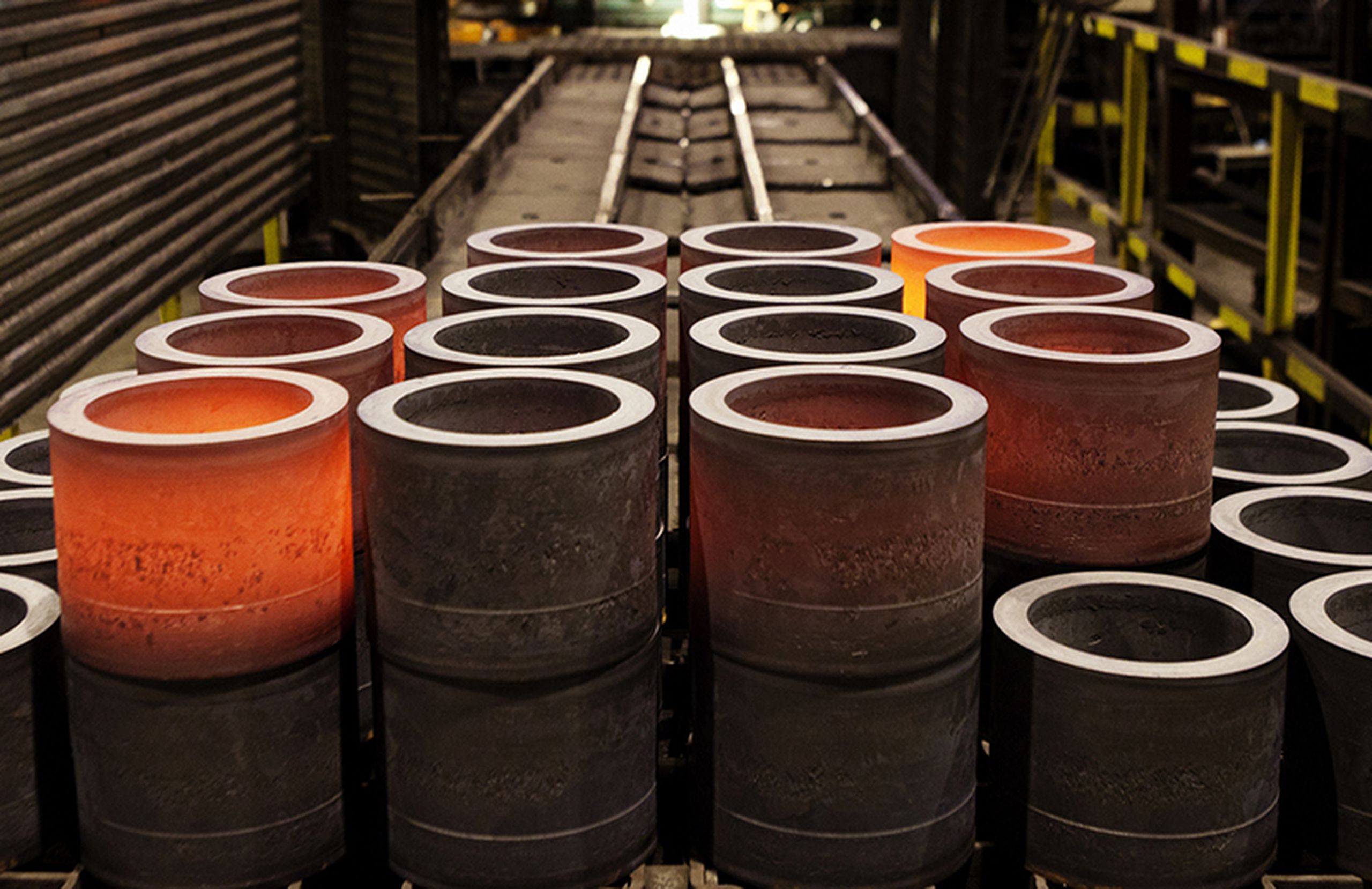
At Ovako, our expertise in producing steels optimized for quenching and tempering is of a high grade. Whether you need unalloyed or low-alloyed grades, our solutions ensure the highest levels of performance and reliability.
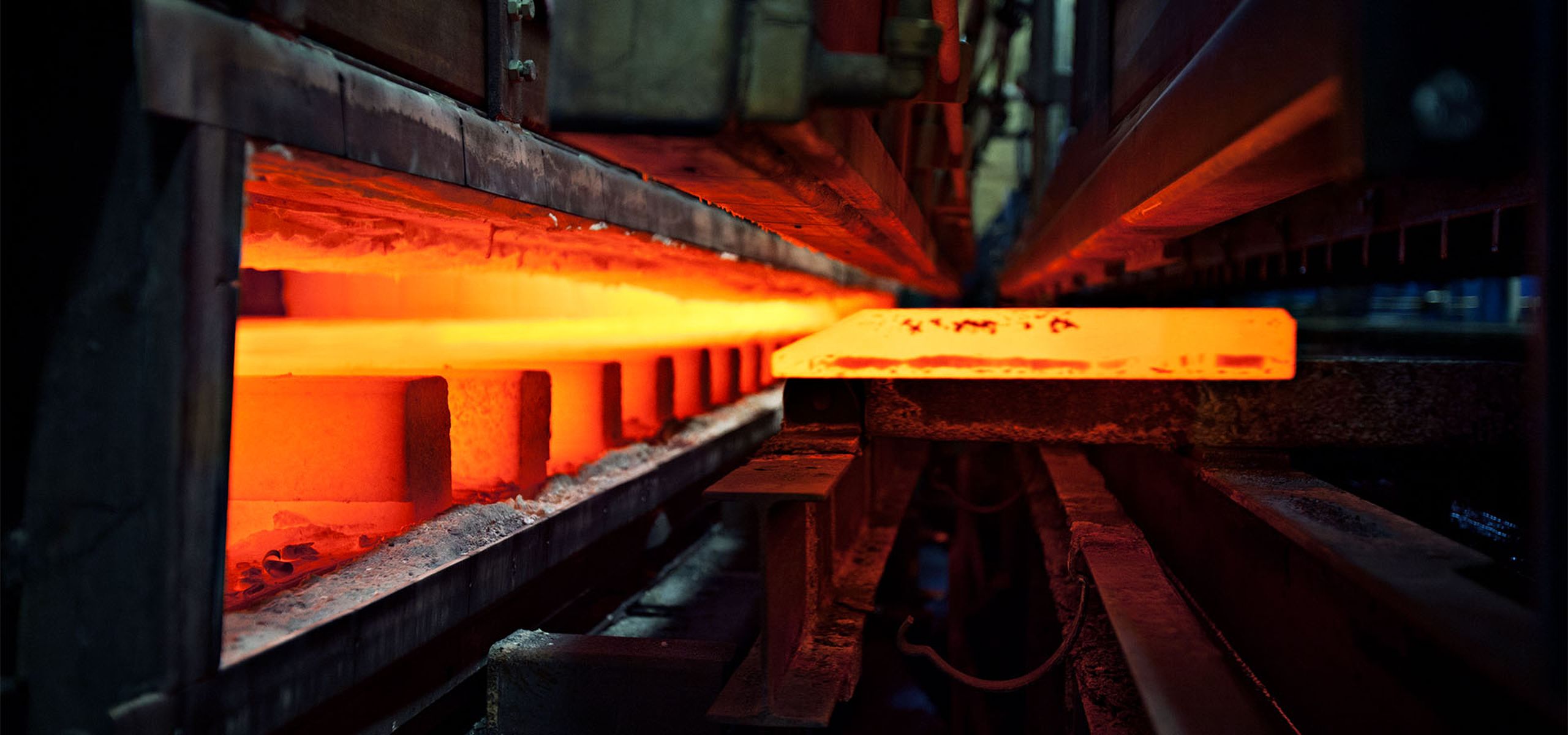
- The steel is first heated to its austenitizing temperature, typically around 900°C.
- At this temperature, the steel’s structure transforms into austenite.
- It is then rapidly cooled using water, oil, or another cooling medium, which converts the structure into martensite – a hard, but brittle phase.
- After quenching, the steel is reheated to a lower temperature, usually between 150°C and 700°C, depending on the desired properties.
- This step relieves stresses introduced during quenching, improves toughness, and balances strength with ductility.
- Tempering results in a fine-grained, homogeneous microstructure tailored to meet specific application requirements.
Why quenching and tempering?
This process is used to create steel with superior mechanical properties that are essential for a wide range of applications. Key benefits include:
Increased Strength and Toughness: Quenching and tempering produces steel with high tensile strength and excellent resistance to impact.
Improved Wear Resistance: Ideal for components subjected to abrasive conditions, such as tools and machine parts.
Versatility: By adjusting the tempering process, the mechanical properties can be fine-tuned to meet specific operational needs.
Reliability: The process ensures a consistent and high-quality material, suitable for critical applications.
| EN-standard | Ovako | C | Si | Mn | Cr | Mo | Ni | Other |
|---|---|---|---|---|---|---|---|---|
| 24CrMo13-6 | 420 | 0.24 | 0.2 | 0.4 | 3.1 | 0.5 | ||
| 25CrMo4 | 322, 6014 | 0.25 | 0.2 | 0.9 | 1.1 | 0.2 | ||
| 34CrMo4 | 34CrMo4 | 0.34 | 0.3 | 0.8 | 1.1 | 0.2 | V | |
| 42CrMo4 | 327, 6082 | 0.42 | 0.3 | 0.8 | 1.1 | 0.2 | ||
| 43CrMnMo4-4 | L7 | 0.43 | 0.3 | 0.9 | 1.0 | 0.2 | ||
| 44CrMnMo4-4* | B7 | 0.44 | 0.3 | 0.9 | 1.0 | 0.2 | ||
| 50CrMo4 | 528 | 0.51 | 0.2 | 0.7 | 1.0 | 0.2 | ||
| 23MnNiMoCr5-4 | 4209 | 0.23 | 0.2 | 1.3 | 0.5 | 0.6 | 1.0 | |
| 30CrNiMo8 | 6507 | 0.30 | 0.3 | 0.7 | 2.0 | 2.0 | 0.3 | |
| 30NiCrMo16-6 | 498 | 0.30 | 0.3 | 0.5 | 1.4 | 0.2 | 4.0 | |
| 31NiCrMo13-4* | 453 | 0.31 | 0.2 | 0.5 | 1.1 | 0.2 | 3.1 | |
| 34CrNiMo6 | 356, 6502 | 0.34 | 0.2 | 0.7 | 1.4 | 0.2 | 1.3 | |
| 40SiCrMnMo7-6-6* | 477 | 0.40 | 1.7 | 1.5 | 1.5 | 0.4 | ||
| 40CrMoV4-6 | 6098 | 0.40 | 0.3 | 0.7 | 1.1 | 0.6 | V | |
| 21CrMoV5-7* | 6130, 6132 | 0.21 | 0.3 | 0.6 | 1.4 | 0.7 | V | |
| 37CrV3* | 9217 | 0.37 | 0.3 | 0.8 | 0.8 | V | ||
| 40NiCrMo7-3* | 355, 6514 | 0.40 | 0.3 | 0.7 | 0.8 | 0.3 | 1.8 | V |
| 32CrMoV12-10* | 398 | 0.32 | 0.3 | 0.5 | 3.0 | 1.0 | V | |
| 30CrMoV9 | 6140 | 0.31 | 0.2 | 0.6 | 2.5 | 0.2 | V | |
| 40CrMoV4-6* | 6098 | 0.42 | 0.2 | 0.8 | 1.1 | 0.9 | 4.0 | V |
| 48CrMoNi4-10* | 495, 6521 | 0.48 | 0.2 | 0.8 | 1.1 | 0.9 | 4.0 | V |
| 42NiSiCrMo8-7-3* | 497 | 0.42 | 1.6 | 0.6 | 0.7 | 0.3 | 1.7 | V |
| 4CrMn16-4* | 8302 | 0.04 | 0.3 | 1.0 | 4.0 | Nb | ||
| 7CrMoBS4* | 5450 | 0.07 | 0.3 | 0.8 | 1.3 | B | ||
| 8CrMnMo15-4* | 8303 | 0.08 | 0.3 | 1.0 | 4.0 | 0.5 |
Lajit, joiden tunnuksen lopussa on *-merkki, eivät ole virallisen EN-standardin mukaisia teräslajeja, vaan EN 10027:n sääntöjen mukaisesti nimettyjä teräksiä.
Related reading