Återvinningsbarhet och återvunnet innehåll
Högkvalitativa stålprodukter tillverkade av över 97 % återvunnet stål
Återvinningsbarhet
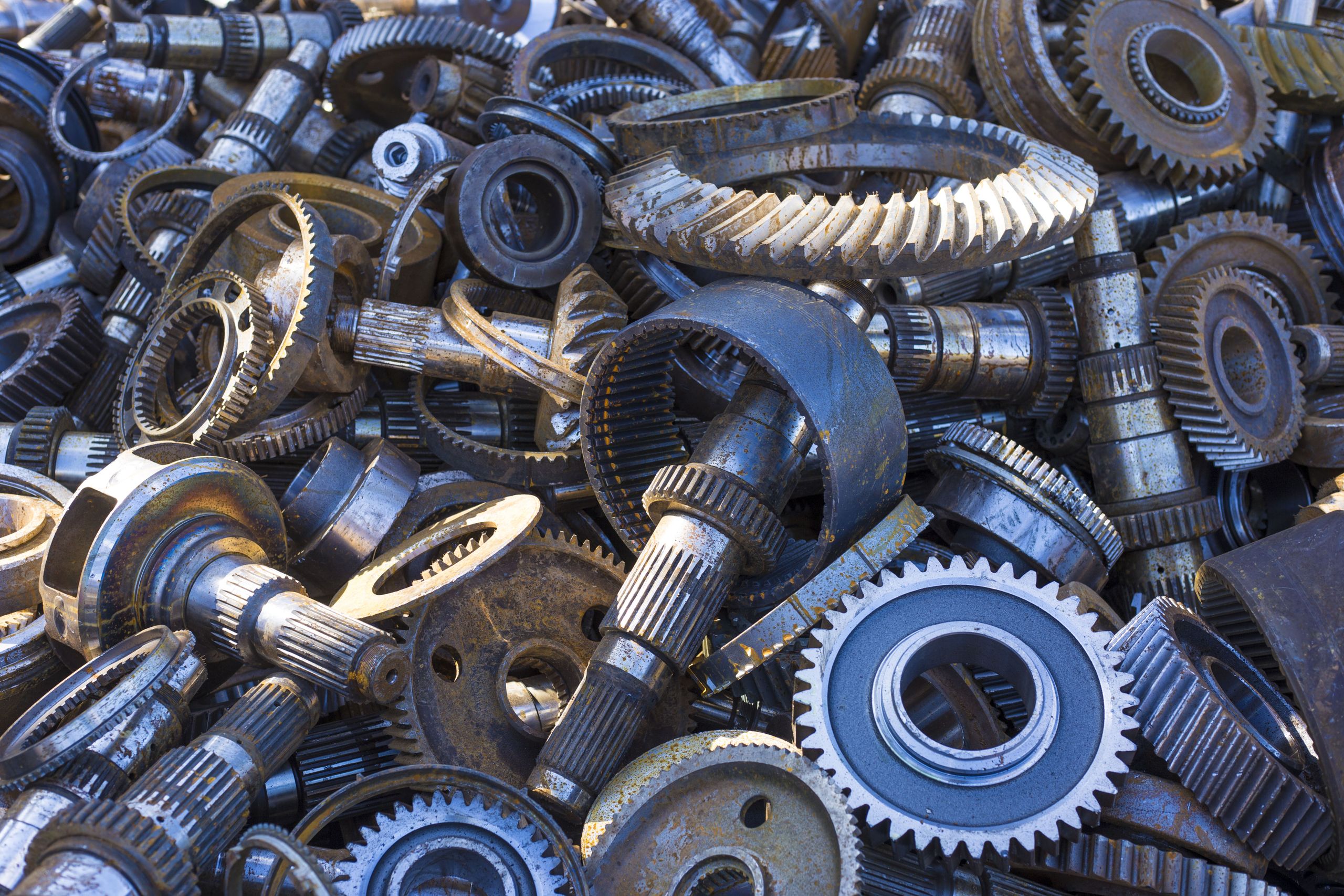
Stål är 100 % återvinningsbart, vilket innebär att det kan smältas om ett oändligt antal gånger för att producera nytt stål utan att tappa kvalitet. Järnatomerna är oförstörbara och därför kan stål tillverkas av återvunnet stål utan att kompromissa med kvaliteten.
Ovakos stål baseras på 97 % återvunnet stålskrot.
Återvunnet innehåll
Ovakos produkter består av i genomsnitt 97 % återvunnet stålskrot, vilket är mycket högt. Om man bara tar hänsyn till källan för järnet, så kommer det från över 99 % återvunnet stålskrot. Ovakos anlägger återvinner sitt eget stålskrot, samt skrot från tillverknings-industrin i efterföljande produktion och uttjänta produkter för att spara energi, utsläpp och naturresurser. Genom att använda återvunnet stål bevaras jordens värdefulla natur-resurser, inget jungfruligt material behöver användas och användbart material läggs inte på deponier. Detta gör oss till en viktig del av den cirkulära ekonomin.
Beräkningsmetod
Ovako beräknar återvunnet innehåll enligt europeisk standard EN45557 och ISO14021 som är en allmän metod för att bedöma andelen återvunnet material. I enlighet med standarden EN45557 och ISO14021 och som många andra har Ovako valt att inkludera post-consumer skrot, skrot från andra tillverkande industrier, spån och returstål och att inte inkludera vad som definieras som hemskrot. Hemskrot är skrot till och med färdiga göt /billets i stålverket. Den del som inte räknas som återvunnet material är främst legeringar.
Rapport om återvunnet innehåll och återvinningsbarhet för Ovakos produkter.
Production based on recycled steel
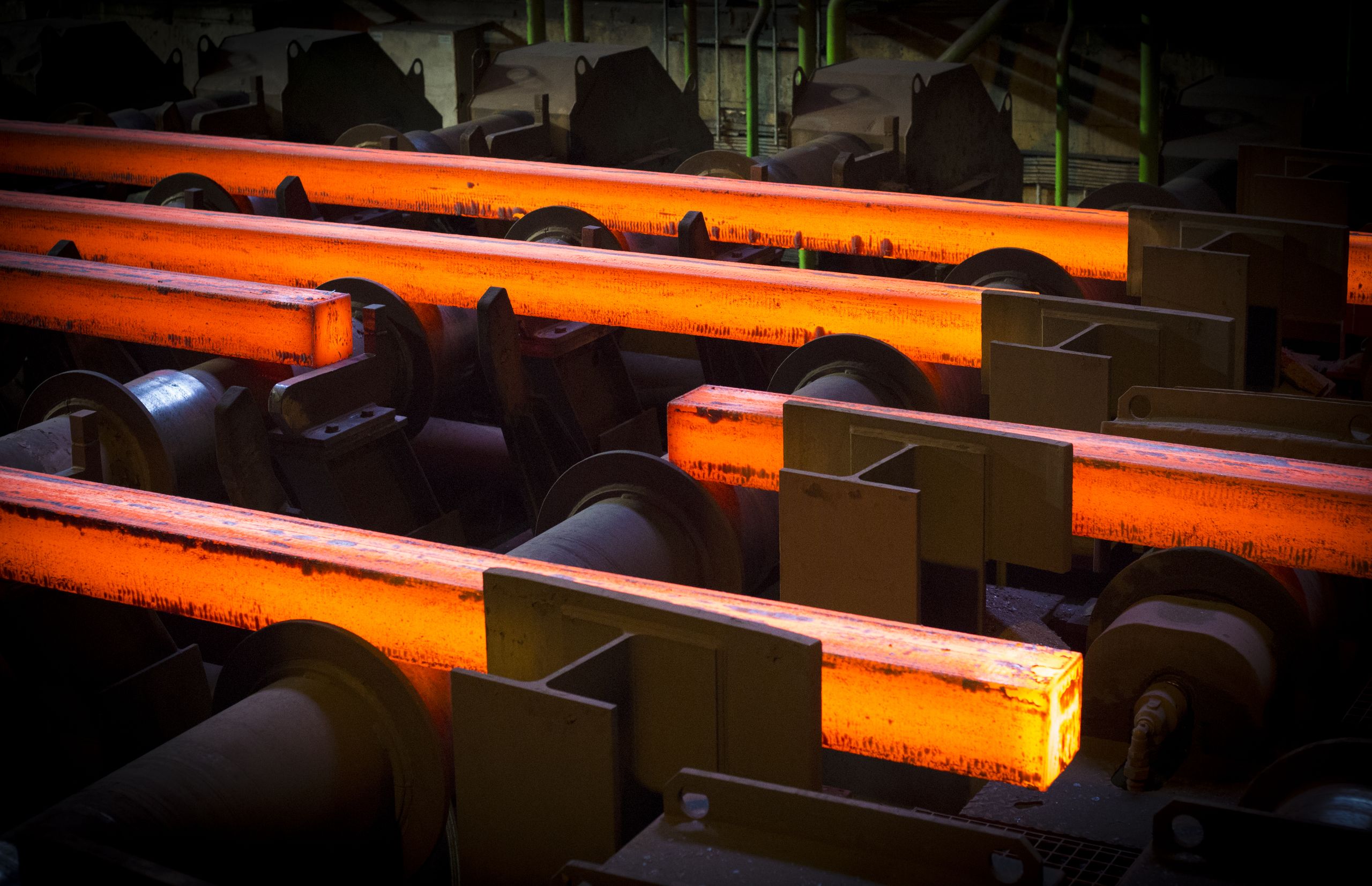
Ovako mills recycle their own steel scrap, as well as scrap from downstream manufacturing industries and End-of-life products, to conserve energy, emissions and natural resources. We are one of the largest recyclers in the Nordic region. Not all scrap is the same, therefore, all external steel scrap is supplied by long-term partnership suppliers and we sort our incoming scrap material into multiple categories based on its alloy content, size and shape.
By closely matching the quality of the scrap to the steel grade we are to produce, we reduce the amount of virgin alloys needed. This is one reason why we can achieve a “cradle-to-gate” carbon footprint that is 80 % lower than the global average. EPD´s (Environmental Product Declarations) are available at ovako.com.
By using recycled steel, the earth’s valuable resources are conserved and we divert useful materials from landfill. This makes us an important part of the circular economy.
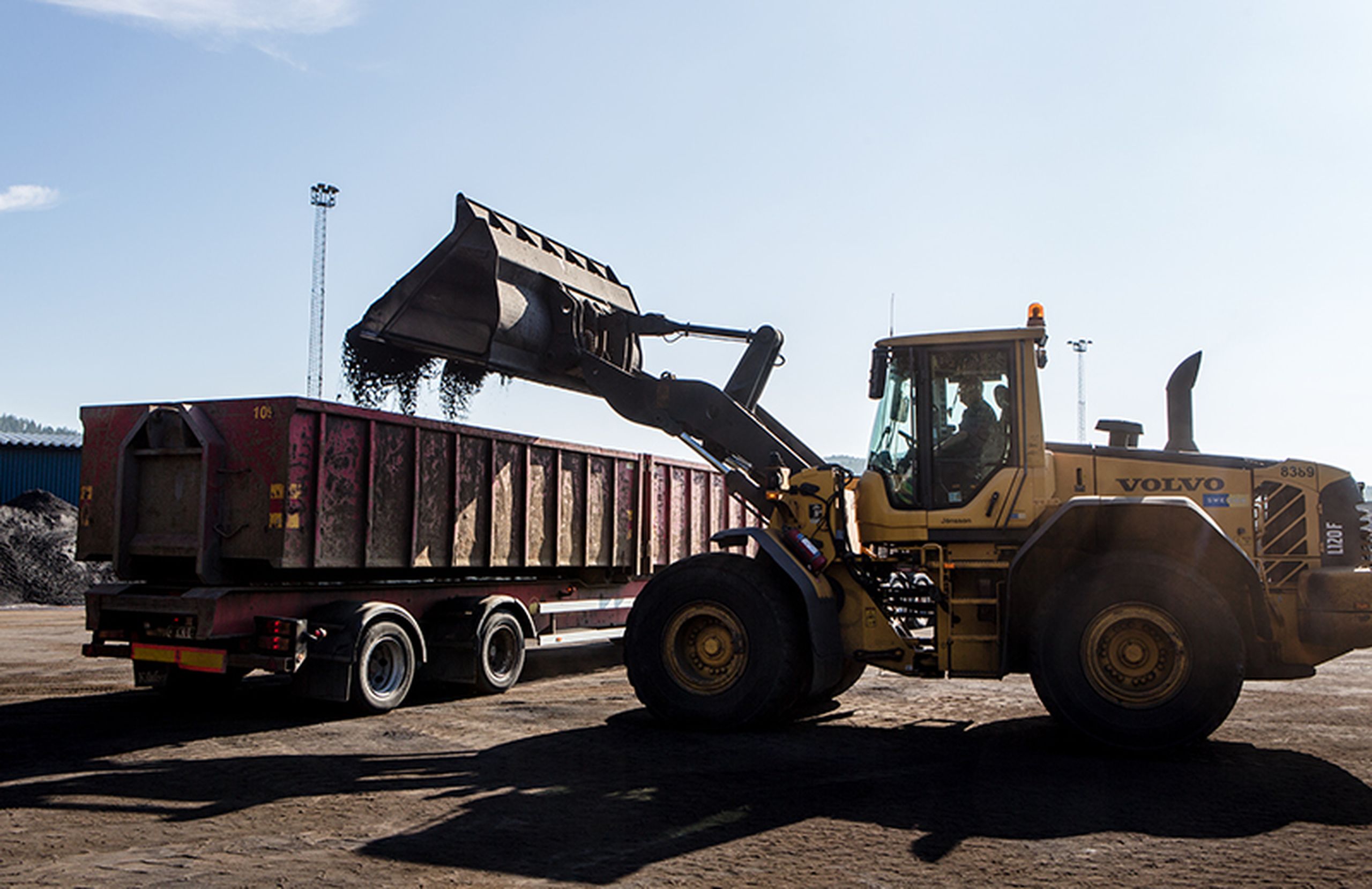
Circularity partnership working
At Ovako, our approach to circularity focuses on recycling. Our steel already today contains 97 percent recycled content, making our products almost completely circular. Although one can say we use steel scrap as a raw material, we prefer to think and talk about it as recycled steel, a critical input material for climate efficient steel production today.
It takes much less energy to recycle existing materials than it does to process virgin raw materials, so reusing existing resources is also a good way to reduce CO2 emissions – in steelmaking it is possible to reduce emissions by over 80 percent by doing this.
The key to maximizing the value from recycled materials is to protect quality through sorting. We have over 15 separate streams of steel for recycling. Each of these has different alloying content and other attributes, making it suitable for remelting into various steel grades.
Efficient recycling is an approach that we’ve worked hard to develop together with suppliers and customers over many years. This will be a topic at the Underhållsmässan trade show in Gothenburg, Sweden, where Ovako will be taking part in a panel discussion with SKF and Stena Recycling about how our companies work together to achieve both high business and environmental value through circularity.
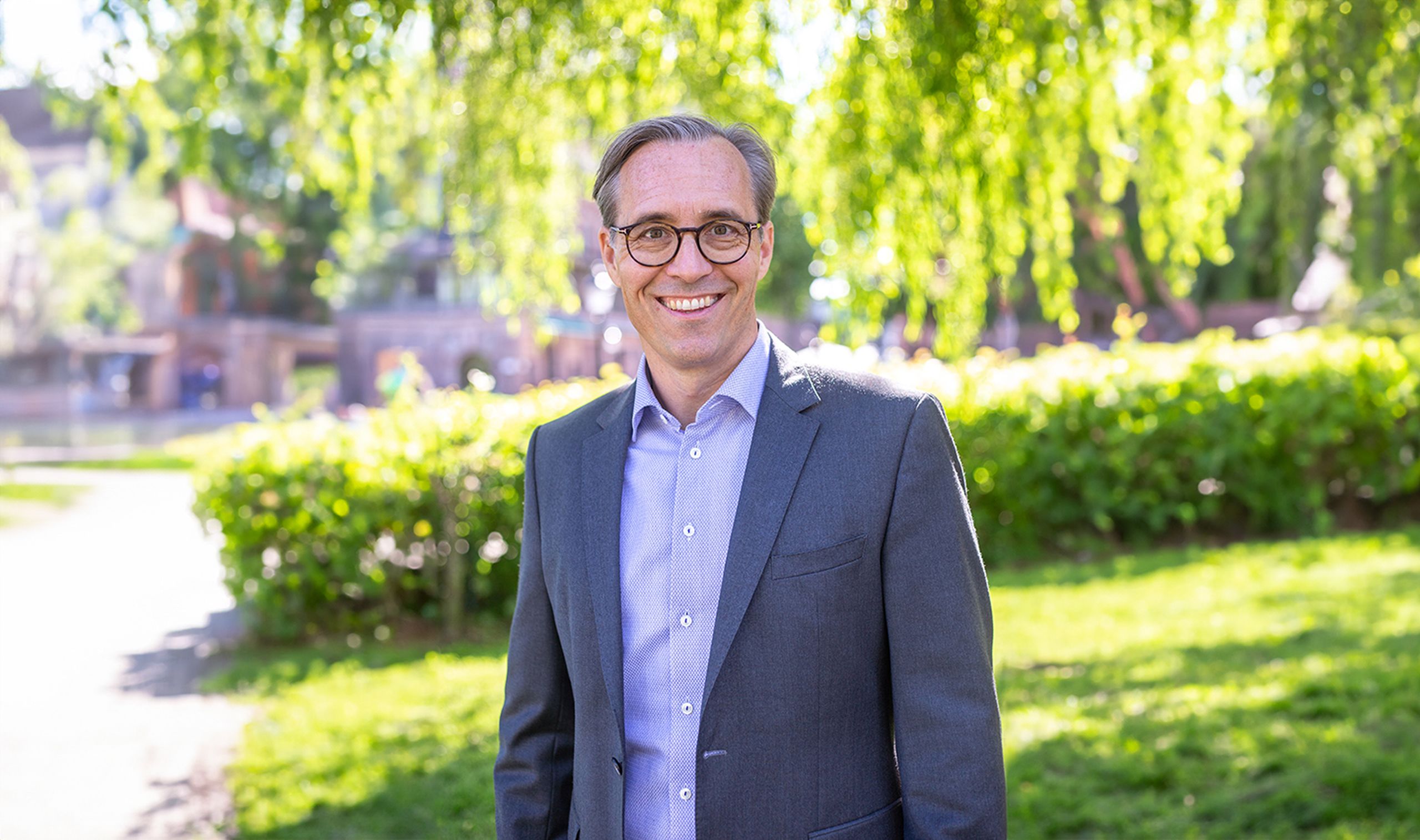
- Marcus Hedblom (President and CEO of Ovako Group)
ENVIRONMENT
Koldioxidneutralitet
Att minska de globala koldioxidutsläppen kräver smartare produktlösningar och nytänkande på många nivåer: fler prestandafördelar per kilogram produkt, mindre råvaror och att ersätta fossila energikällor med främst fossilfri el.
Learn more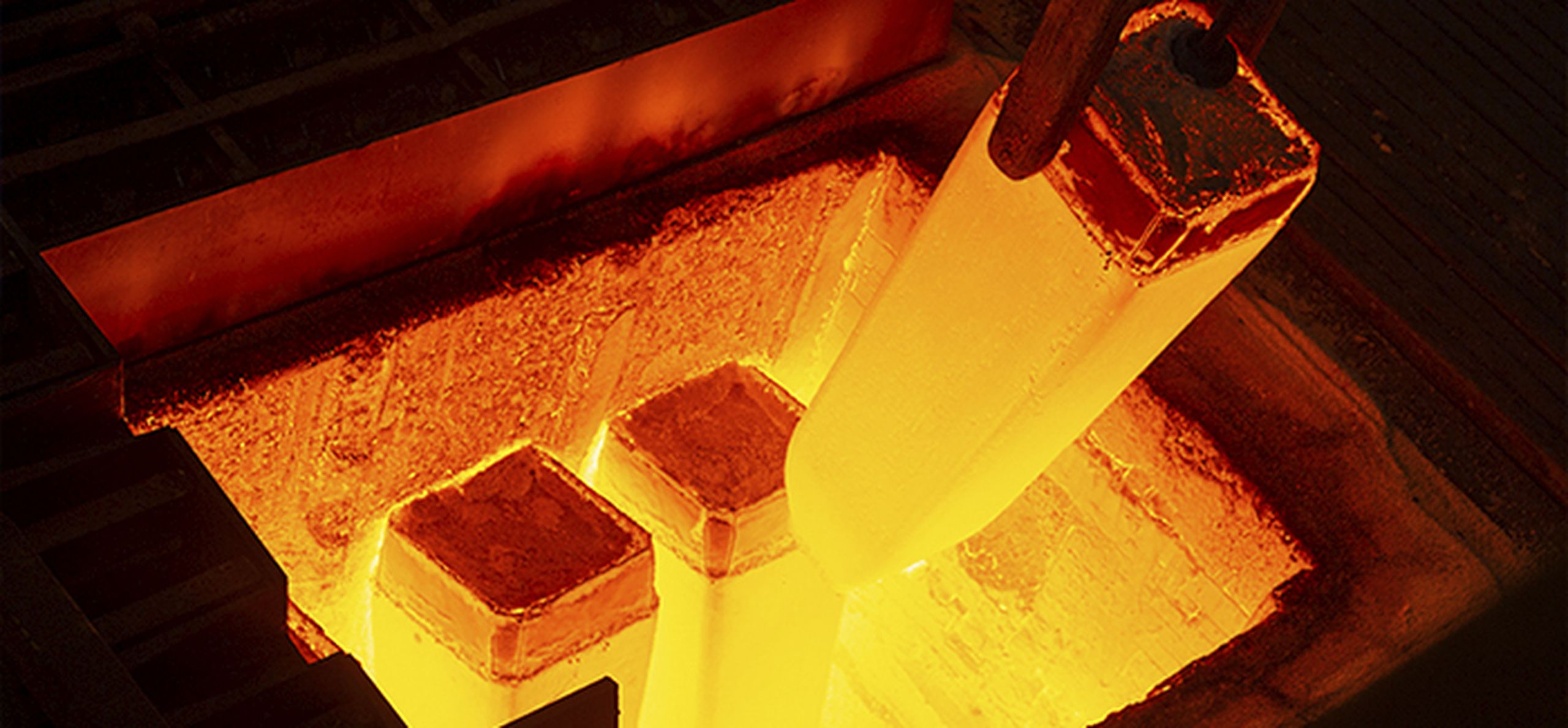
MILJÖ
Klimat
Sedan 2015 har vi minskat våra relativa koldioxidutsläpp från vår egen verksamhet med 59 % och ett av våra hållbarhetsmål är att minska våra C02 med 80% till 2030. Ovakos mål är ett stål utan koldioxidutsläpp.
Learn more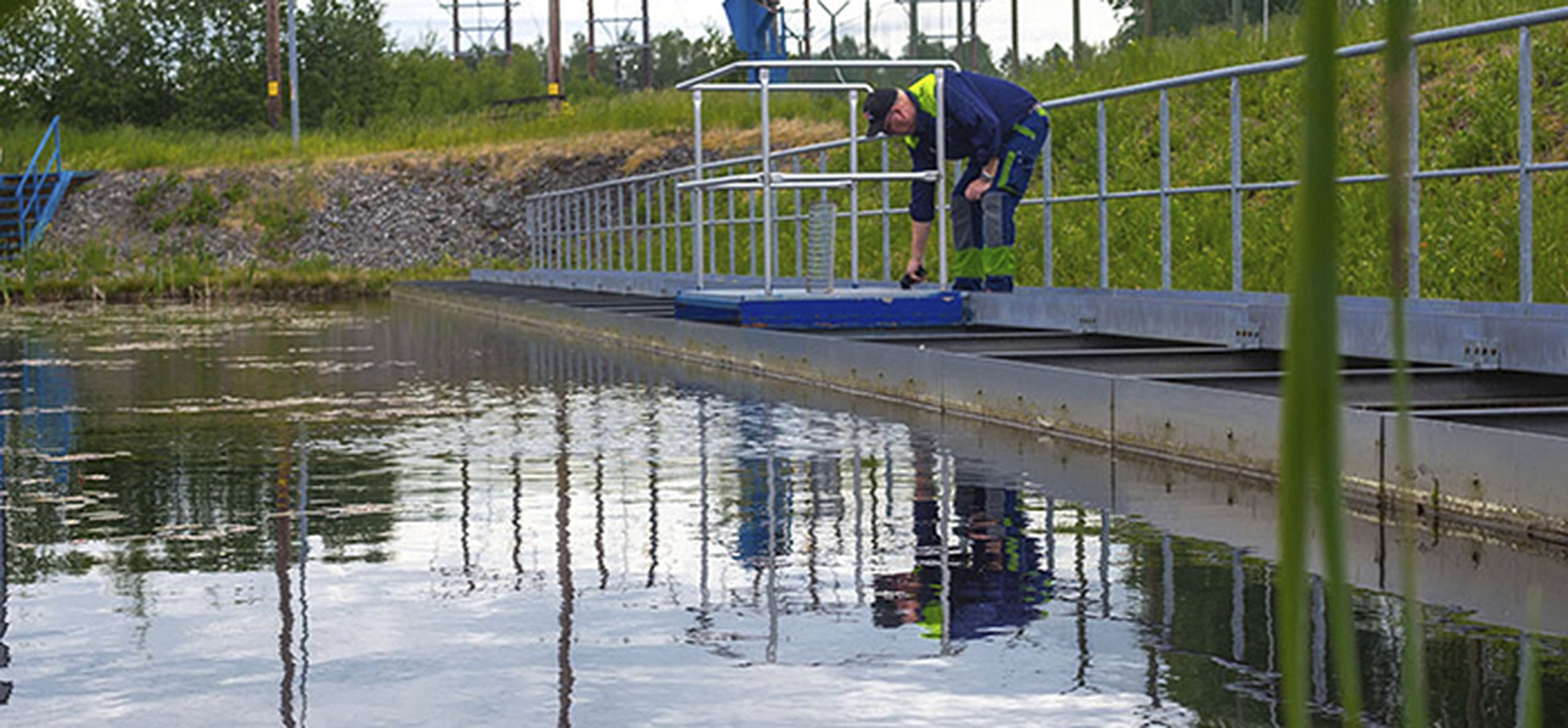
MILJÖ
Effektiva processer
Ovakos produktion är baserad på stålskrot, vilket gör Ovako till Nordens största återvinnare av skrot. Eftersom stål kan återvinnas ett oändligt antal gånger utan att dess egenskaper försämras, kan Ovako tillverka stål med lägre klimatpåverkan utan att…
Learn more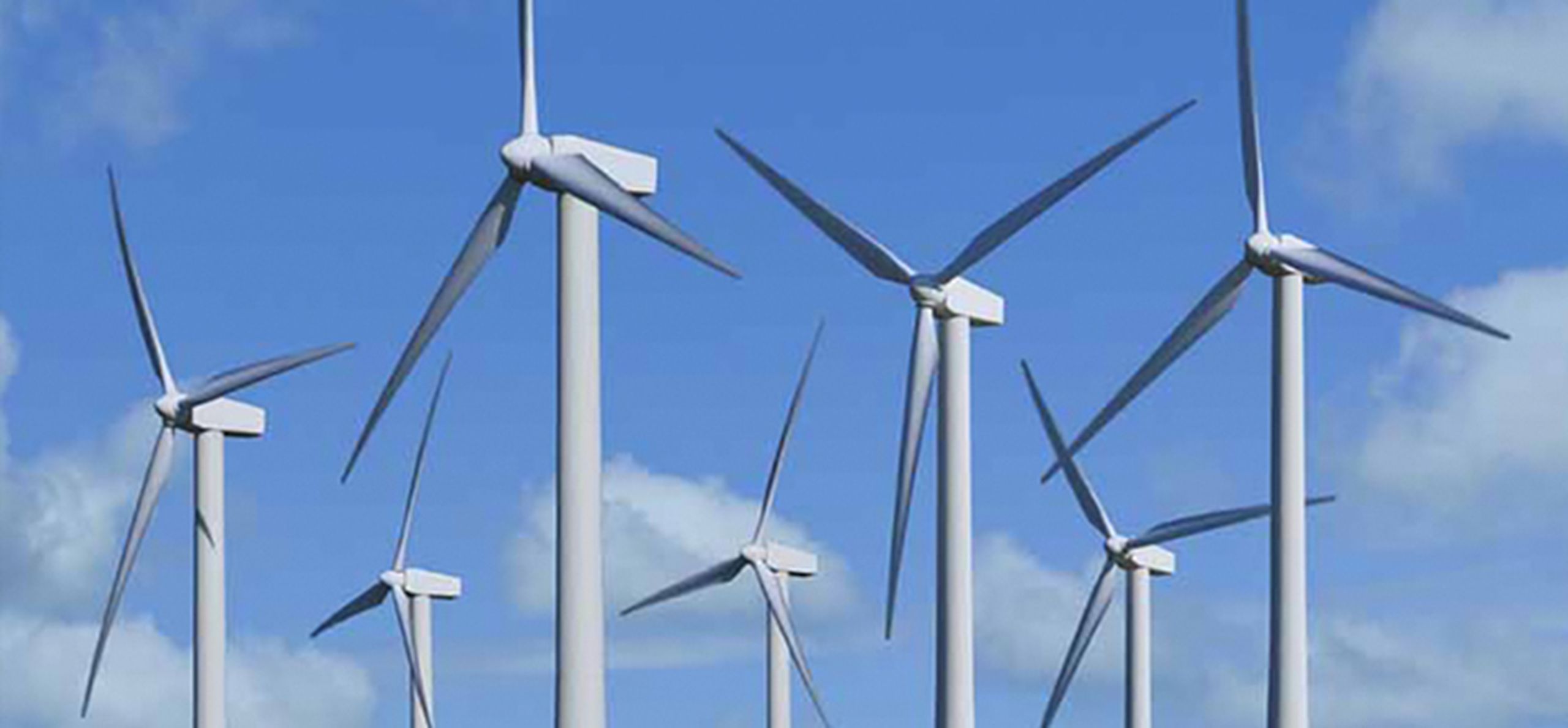
ENVIRONMENT
Produkter
Ovakos produkter ger kunderna unika möjligheter som ger bättre prestanda, lägre produktionskostnader och möjlighet till lägre energiförbrukning.
Learn more
MILJÖ
Användning av kemiska ämnen
Ovako har en proaktiv process för granskning och bedömning av kemikalier, med målet att användningen av kemikalier i produktion inte kommer att skada miljön eller hälsan och säkerheten för våra anställda och andra personer, samt att användningen uppfyller…
Learn more