Case-Hardening Steel
Steels for carburizing and case hardening typically have a relatively low carbon level, 0.10-0.25% C, and are used when there is a demand for varying properties, such as for components in transmissions.
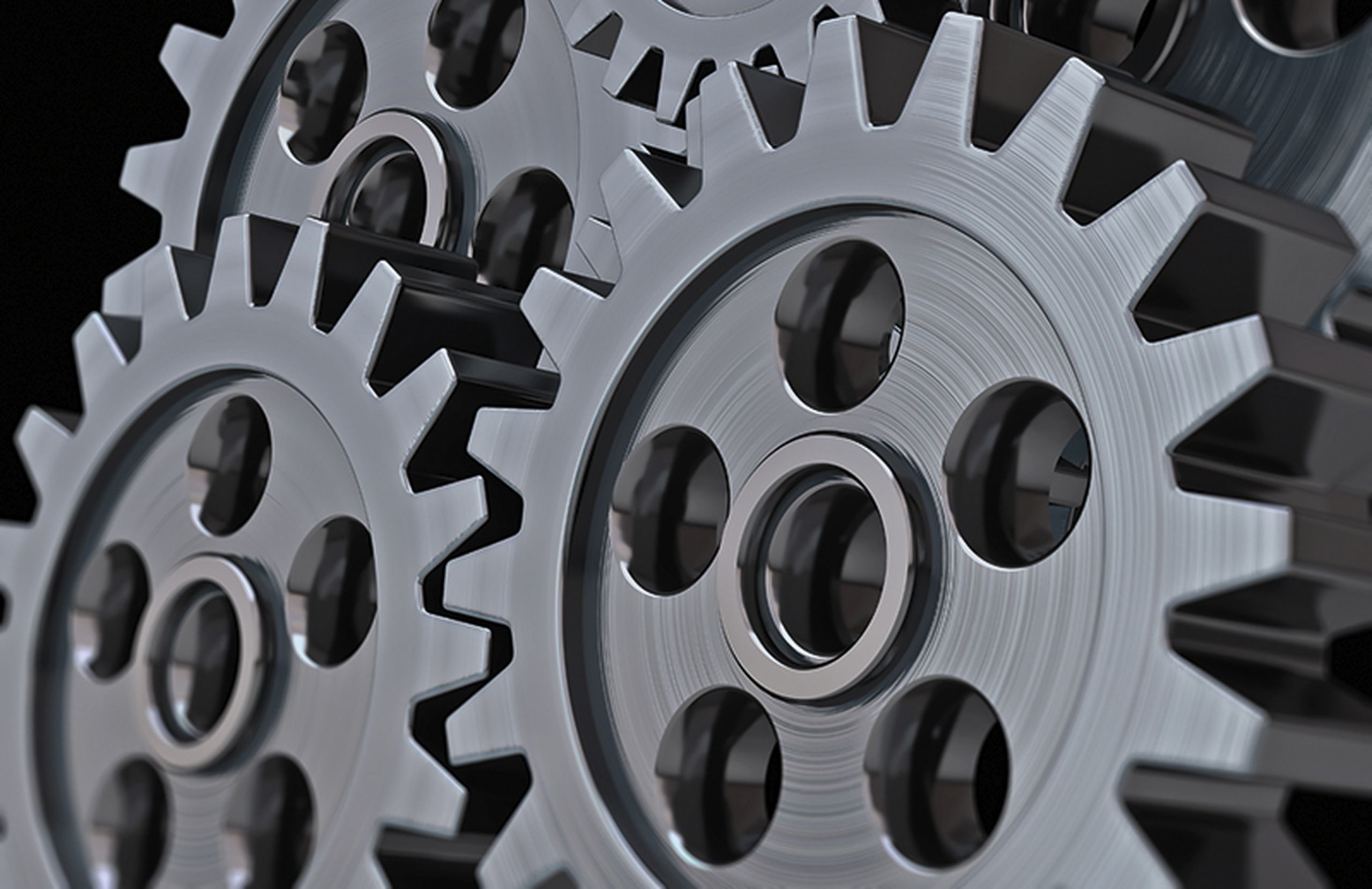
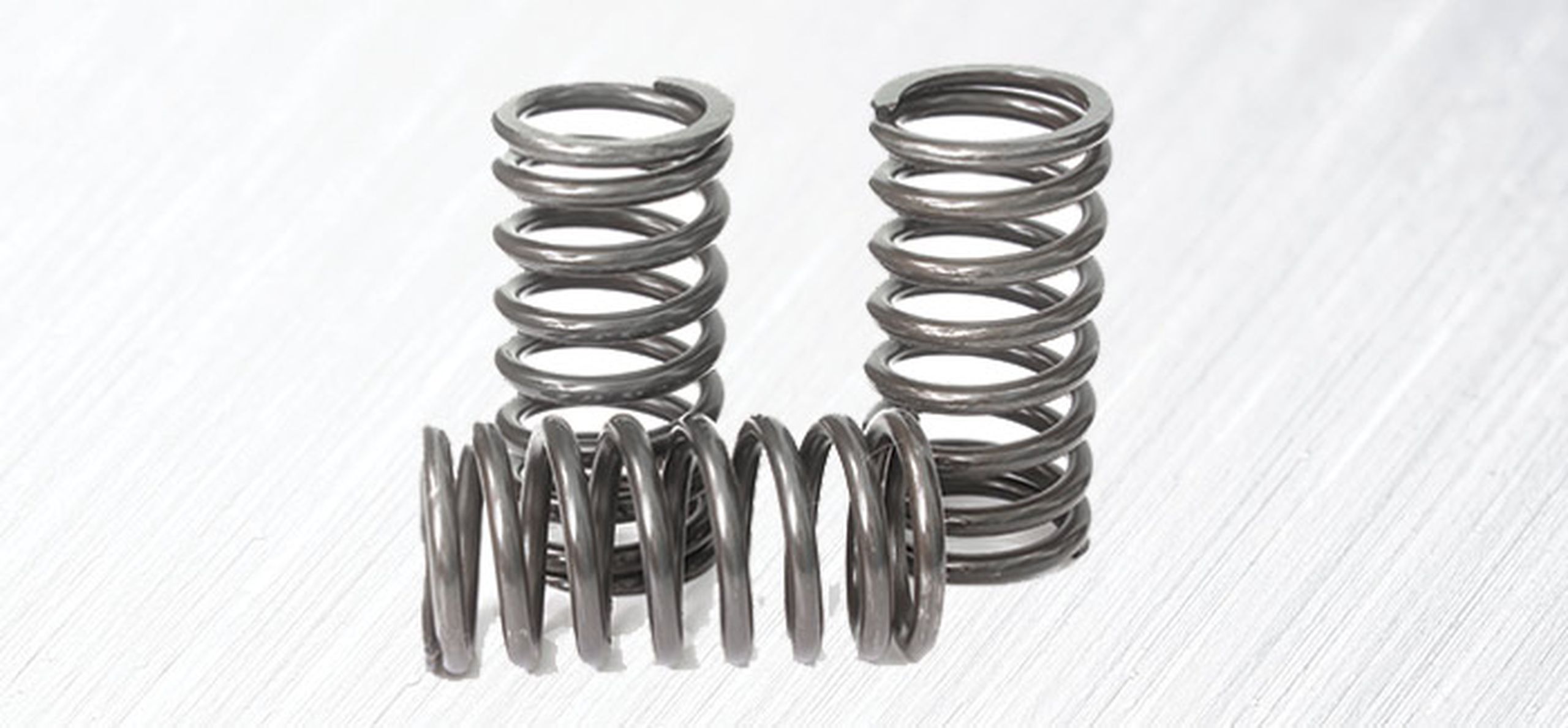
Case hardening entails the treatment of a finished component in a carburizing atmosphere at a high temperature, typically 850–950°C, which increases the carbon content at the surface of the component. The carburized layer is typically 0,5–1,0 mm deep but can be deeper. Following carburization, the part is quenched and thereby hardened. During quenching the carburized layer is transformed to martensite with hardness determined by the carbon content. The result is thus a component with a hard surface and a comparably soft core. Typical components made out of carburizing steel, are gears in transmissions.
| EN-standard | Ovako | C | Si | Mn | Cr | Mo | Ni | Other |
|---|---|---|---|---|---|---|---|---|
| 16MnCr5 | 234, 4306 | 0.16 | 0.2 | 1.2 | 1.0 | |||
| 20MnCr5 | 236, 4326 | 0.20 | 0.2 | 1.3 | 1.2 | |||
| 18CrMo8-5* | 225 | 0.18 | 0.3 | 0.8 | 1.8 | 0.5 | ||
| 20MoCr4 | 124 | 0.20 | 0.2 | 0.8 | 0.5 | 0.4 | ||
| 20NiCrMo2-2 | 152, 4548 | 0.20 | 0.3 | 0.9 | 0.6 | 0.2 | 0.5 | |
| 16NiCrS4 | 146, 4730 | 0.16 | 0.1 | 1.0 | 1.1 | 0.8 | ||
| 20NiCrMo7 | 157 | 0.20 | 0.2 | 0.6 | 0.5 | 0.2 | 1.7 | |
| 18CrNiMo7-6 | 159, 4761 | 0.18 | 0.2 | 0.7 | 1.7 | 0.3 | 1.6 | |
| 12NiCr14-6* | 245 | 0.13 | 0.3 | 0.5 | 1.5 | 0.1 | 3.3 | |
| 18NiCrMo14-6 | 255 | 0.18 | 0.3 | 0.5 | 1.4 | 0.2 | 3.3 | |
| 22NiCrMo12-5* | 253 | 0.14 | 0.2 | 0.6 | 1.2 | 0.2 | 2.9 | |
| 24NiCrMo15-5* | 256 | 0.24 | 0.3 | 0.7 | 1.2 | 0.3 | 3.6 | |
| 20NiMo9-7* | 158 | 0.20 | 0.1 | 0.3 | 0.4 | 0.7 | 2.3 | |
| 30MoCrV20-7* | 499 | 0.30 | 0.2 | 0.3 | 1.7 | 1.8 | V | |
| 16CrMnNiMo9-5-2* | 277 | 0.16 | 0.2 | 1.3 | 2.1 | 0.5 | 0.5 | V |
EN-standard designation followed by “*” is not an official EN standard grade but named according to the rules in EN 10027.
Documents