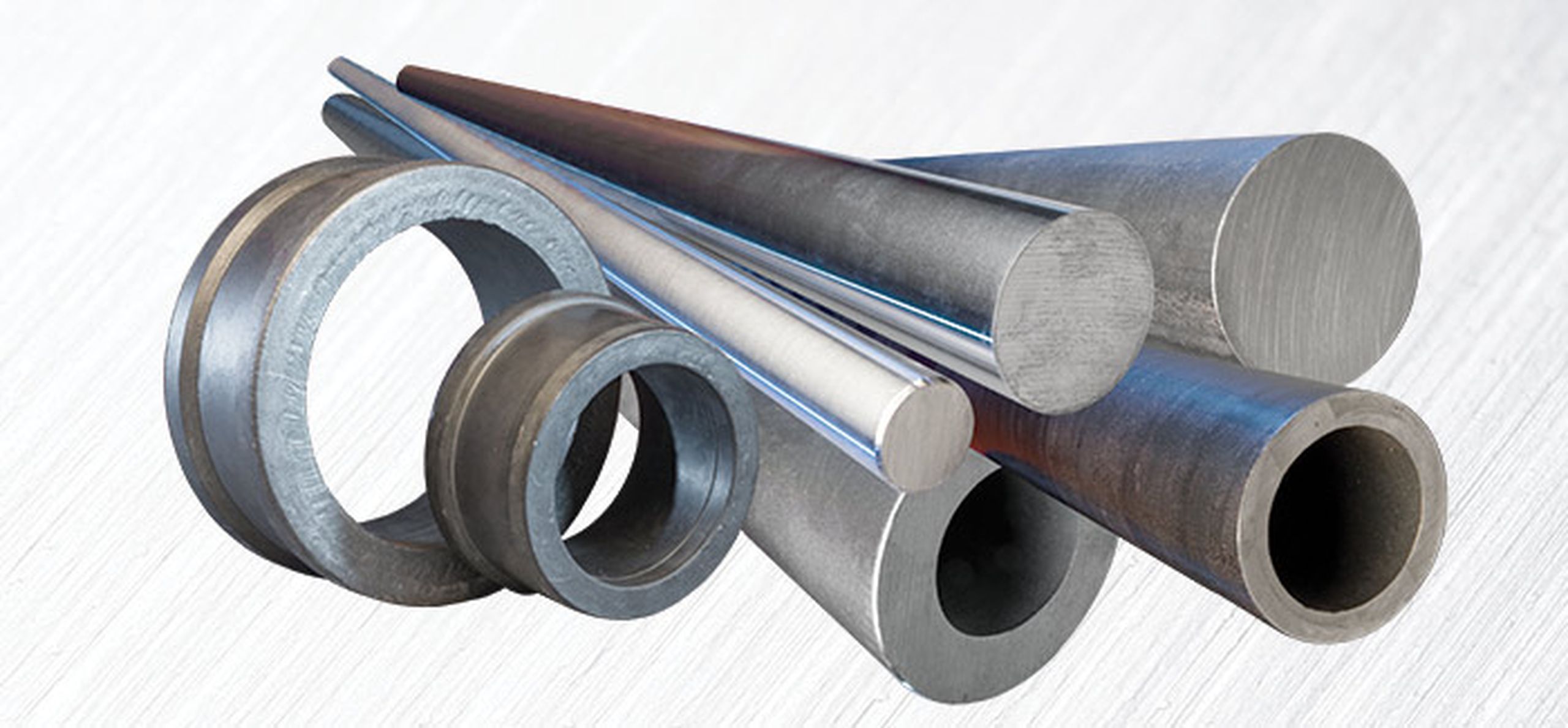
Through-hardening Bearing Steel
Through-hardening steel contains typically 1% carbon and alloying elements for hardenability, exhibiting very high strength but low ductility. Used with martensitic or bainitic hardening.
In order to harden steel, the iron matrix must contain a certain amount of carbon. The higher carbon content in the steel the higher achievable hardness. In through-hardening steel, there is a relatively high level of carbon added to the steel. When the component is heat treated, it becomes hard all the way through from the surface to the core, hence the term “through-hardened”. Through-hardened steel components are relatively brittle and can fracture under impact or shock loads.
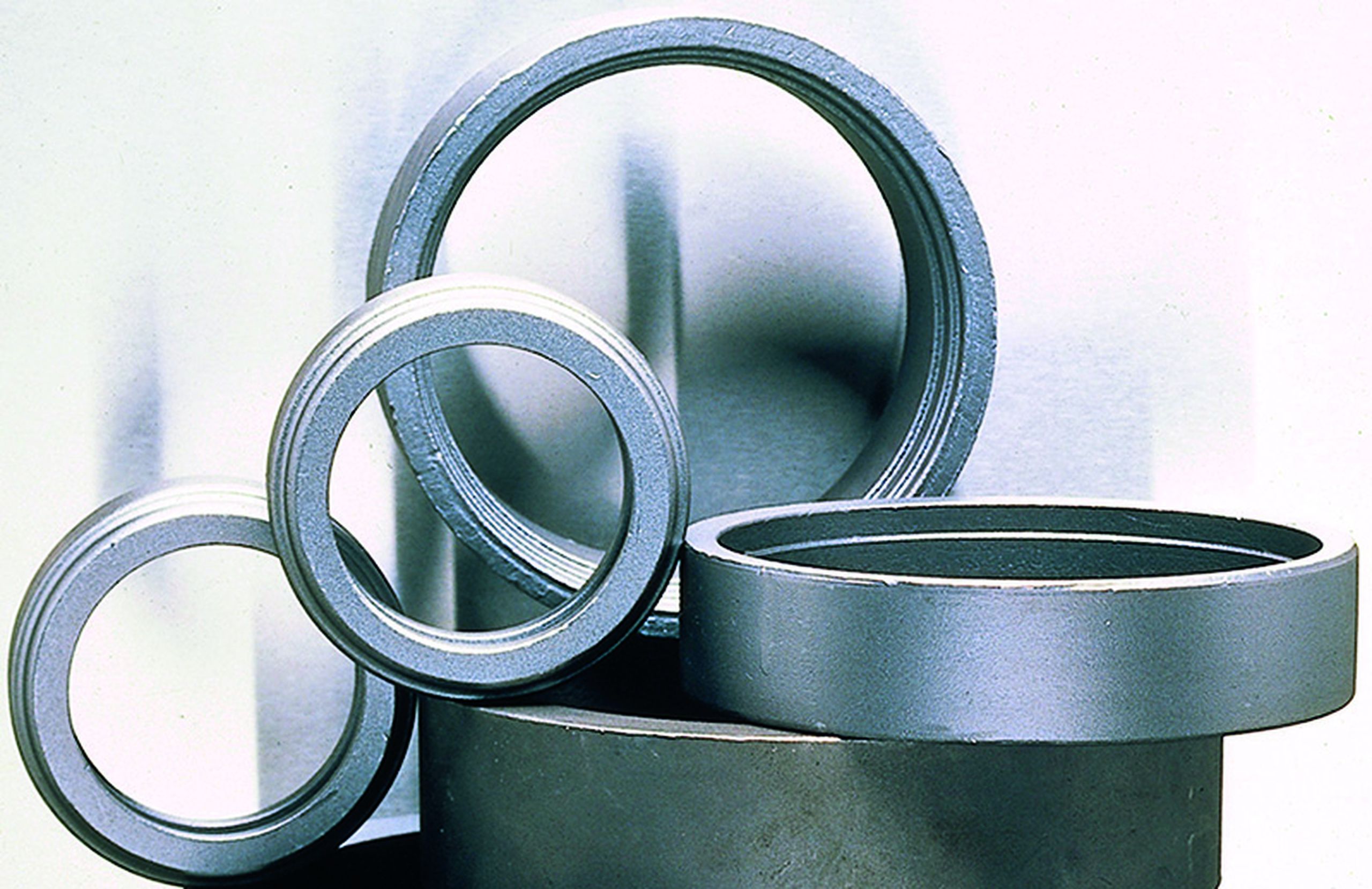
Applications for through-hardening bearing steel are typically roller bearing components but also components that require high fatigue strength such as diesel injection components. The hardness levels these steel reach also makes them excellent in wear applications or cutting/slitting/grinding applications. When also combined with a stabilizing heat treatment they give a dimensional stability needed in many tool steel applications.
| EN-standard | Ovako | C | Si | Mn | Cr | Mo | Ni | Other |
|---|---|---|---|---|---|---|---|---|
| C55 | 510 | 0.50 | 0.2 | 0.6 | 0.2 | |||
| 66SiMnCrMo6-6-4*3 | 677 | 0.67 | 1.5 | 1.4 | 1.0 | 0.2 | ||
| 100Cr6 | 802, 803, 5620 | 1.00 | 0.3 | 0.3 | 1.4 | |||
| 100CrMo7 | 824 | 0.95 | 0.3 | 0.3 | 1.7 | 0.2 | ||
| 100CrMo7-3 | 825 | 0.95 | 0.3 | 0.7 | 1.7 | 0.2 | ||
| 100CrMo7-4 | 826 | 0.95 | 0.3 | 0.6 | 1.7 | 0.4 | ||
| 100CrMnMoSi8-4-6 | 827 | 0.95 | 0.5 | 0.9 | 1.9 | 0.6 | ||
| 100CrMnSi4-4 | 831 | 0.95 | 0.6 | 1.1 | 1.0 | |||
| 100CrMnSi6-6 | 832 | 0.90 | 0.7 | 1.5 | 1.4 | |||
| 100CrMnSi6-4 | 837, 5625 | 0.95 | 0.6 | 1.0 | 1.5 |
EN-standard designation followed by “*” is not an official EN standard grade but named according to the rules in EN 10027.
Documents